
Project/ Program Name: Seed of Compassion [ SOC]
Date of Activity: 29th July, 2026
Venue: TCV Day School
Reported by: Tenzin Palmo (Intern)
Specific Activity:
- Icebreaker activity
- Storytelling of the book: How to Apologise by David LaRochelle
- Reflection question to encourage children’s creativity and critical thinking.
Key Objective:
To help children understand that everyone makes mistakes, but taking responsibility and offering a sincere apology is important.Total Participant/Beneficiaries: 25 Students
Resource Person:
Mindu Tsomo (Intern)
Tenzin Palmo (Intern)
Activity Overview:
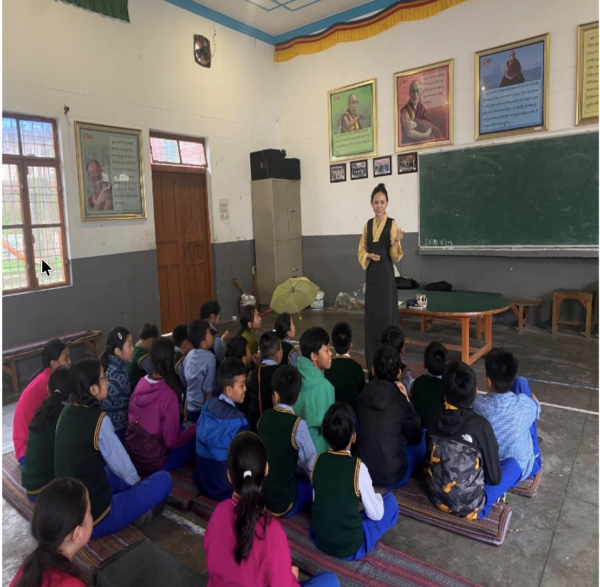
- The session started with a short interactive activity that encouraged children to reflect on how they feel when others treat them kindly or hurt them. The activity helped them understand that others feel the same way when they are treated kindly or hurtfully.
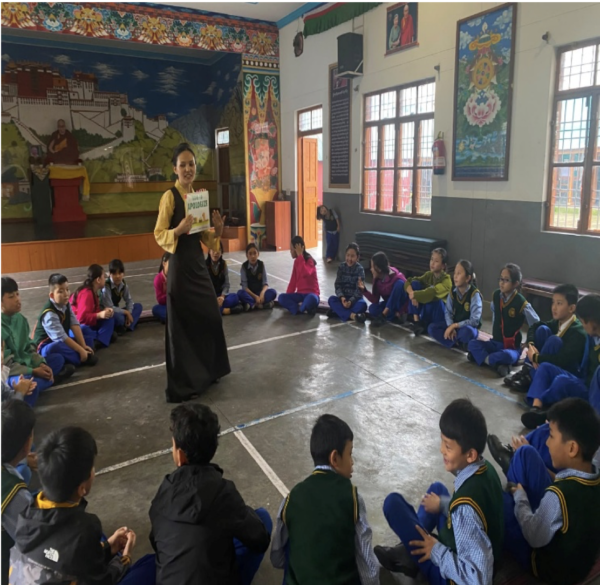
- Following the activity, we introduced the book – “How to Apologise”. By connecting the story with the opening activity, we explained that making mistakes is a natural part of life, but taking responsibility for those mistakes and offering a sincere apology is important.
- The session concluded with a question: “How can you apologise to an Animal?” This question encouraged children to think creatively and apply the lesson beyond human relationships by considering kindness and responsibility towards animals as well.
Methodology:
- For the opening activity, children formed a circle. Children were instructed to pass around the soft, fluffy object while music played. When music stopped, the child holding the object answered a simple question by giving a thumbs up if the situation would make them feel happy or a thumbs down if it would make them feel sad. The activity was played for four rounds with different questions related to kindness, hurt, respect and empathy. This helped children recognise that just as they experience happiness and sadness based on how others treat them, their own actions also affect others, so we should acknowledge our mistakes and apologise sincerely.
- Through storytelling, children learned that a meaningful apology involves recognising the mistake, not making excuses, being sincere, and if we can say it with words, we can apologise with notes and try to make things right.
- To conclude, the children were asked how they would apologise to an animal if they accidentally hurt one. Since animals can’t communicate with us through words, the question encourages children to think creatively about showing kindness, care and responsibility through their actions. Children shared thoughtful and imaginative responses, demonstrating their understanding of the day’s lesson.
Suggestions for Future Improvement:
Allocating more time for the opening game and interactive activities, as the children were highly engaged. A slightly longer activity would help maintain their attention and energy throughout the storytelling and discussion.
Activity Status: Completed.